
Green Card | Employment Based
Employment Based Green Card Process
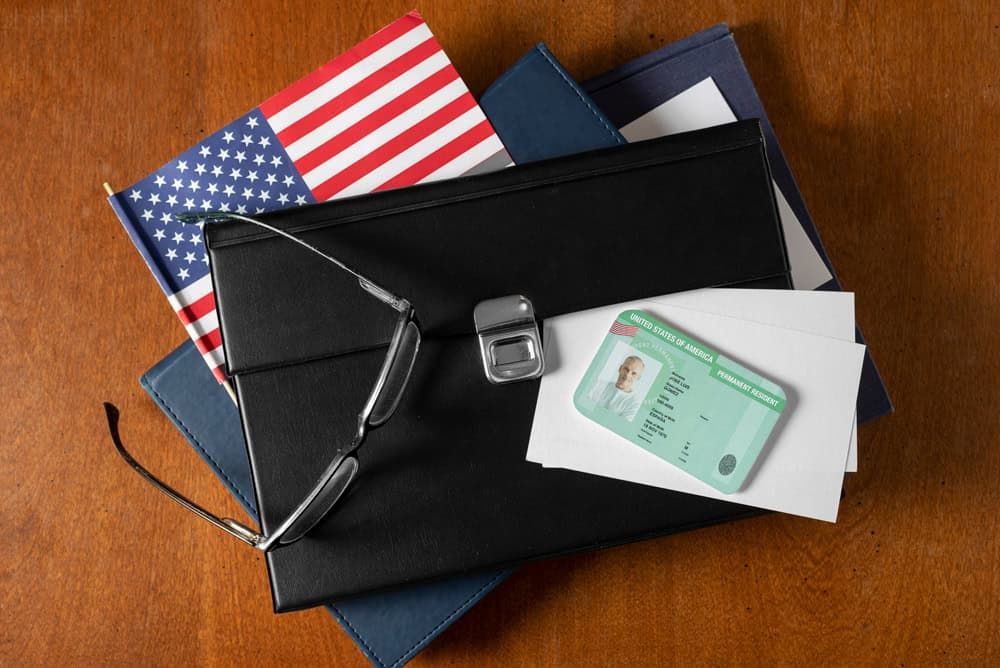 Legal permanent residents in the United States (aka Green Card holders) are afforded benefits that are not available to non-immigrants, including an unrestricted (within legal bounds) ability to work in the U.S. With the exception of “Aliens of Extraordinary Ability” who can self-petition, a foreign born employee would need to have their employer sponsor them for permanent residence. Most foreign born employees will go through a three step process to get to the green card:
- Permanent Labor Certification (PERM) that requires advertising the employee’s role
- The employer must file the I-140 on behalf of the employee
- The employee files ‘adjustment of status’ applications for themselves and any qualifying dependents, or they can do this through consular processing at a local consulate
Employees who qualify for an L-1A non-immigrant visa, i.e. multinational managers/executives, have the option to bypass step one above, the PERM, and directly file the I-140 and adjustment of status applications, or start consular processing.
Adjustment of Status (Inside the U.S.)
Employees already in the United States typically choose to adjust their status from within the country rather than go through consular processing. This approach helps avoid the time, cost, and inconvenience of traveling to their home country for a green card interview.
Consular Processing (Outside the U.S.)
For employees who are not in the United States—or in cases where adjustment of status is not available—consular processing is required. Once the I-140 petition is approved, United States Citizenship and Immigration Services (USCIS) will forward the case to the employee’s home country consulate for final processing.
Why should you hire Mamann Sandaluk LLP to represent you?
Between employment-based interviews and more scrutiny at all levels of the process, getting an employment-based green card is becoming increasingly more challenging. Please contact our office to speak with one of our qualified U.S. Immigration Attorneys to discuss your options for an employment based green card.
Frequently asked questions about
Employment Based Green Card
It depends on the job and the education and experience required for it, along with your own education and experience.
Both USCIS (who would adjudicate the adjustment of status) and the Department of State (who would process any consular processing application) can only issue a green card if the applicant’s priority date is current. The priority date is either 1) the date the PERM is filed, or 2) in cases where a PERM is not required, the date USCIS receives the I-140. For persons born in certain countries, namely India, China, and the Philippines, there is a backlog in certain classifications that prevents a national from that country from being able to apply for an adjustment of status or be interviewed at the consulate until their priority date was current. In many cases, the wait can exceed 10 years.
Generally, no, you must remain with your employer and/or in the role described in the PERM and I-140. However, once you reach a certain point in the adjustment of status process, it may be possible to switch the existing application to a new employer and/or role.
No, you must have been a manager/executive both abroad and in the U.S.
Yes, starting March 2017, all employment based adjustment of status applicants were required to appear at a local USCIS office for an interview with an officer before their application could be approved.
It depends on the job and the education and experience required for it, along with your own education and experience.
Both USCIS (who would adjudicate the adjustment of status) and the Department of State (who would process any consular processing application) can only issue a green card if the applicant’s priority date is current. The priority date is either 1) the date the PERM is filed, or 2) in cases where a PERM is not required, the date USCIS receives the I-140. For persons born in certain countries, namely India, China, and the Philippines, there is a backlog in certain classifications that prevents a national from that country from being able to apply for an adjustment of status or be interviewed at the consulate until their priority date was current. In many cases, the wait can exceed 10 years.
Generally, no, you must remain with your employer and/or in the role described in the PERM and I-140. However, once you reach a certain point in the adjustment of status process, it may be possible to switch the existing application to a new employer and/or role.
No, you must have been a manager/executive both abroad and in the U.S.
Yes, starting March 2017, all employment based adjustment of status applicants were required to appear at a local USCIS office for an interview with an officer before their application could be approved.